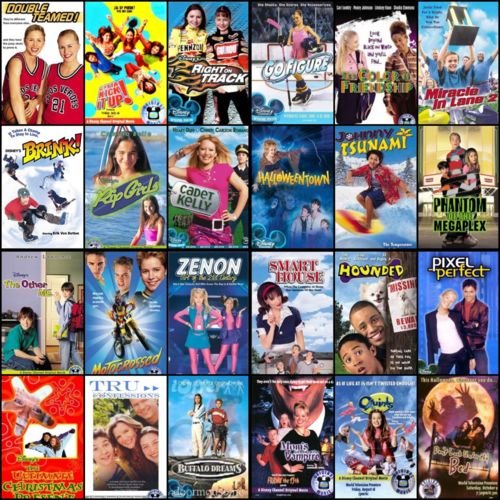
Step back in time for a moment. Close your eyes and picture it: the iconic Disney Channel wand ident, a burst of stardust, and then that familiar, catchy theme music kicking in. For millions of kids and teens growing up in the 2000s, this wasn't just the start of another TV movie; it was the gateway to a world of aspirational friendships, unexpected adventures, and the kind of feel-good magic only Disney could deliver. This was The Golden Age of 2000s Disney Channel Original Movies (DCOMs), a period that didn't just entertain but genuinely shaped a generation's understanding of courage, kindness, and what it meant to belong.
These films weren't merely entertainment; they were cultural touchstones, sparking countless sleepover discussions, inspiring impromptu dance-offs, and providing a shared vocabulary of characters and catchphrases that still resonates today. They tapped into the universal experiences of growing up, wrapped them in vibrant packaging, and delivered them directly to our living rooms.
At a Glance: Why 2000s DCOMs Were Everything
- A New Era: While DCOMs officially began in 1997, the 2000s saw them explode into a cultural phenomenon, shifting Disney Channel's focus squarely onto kids and teens.
- Star Power: They launched the careers of household names like Zac Efron, Hilary Duff, Ashley Tisdale, and many more.
- Groundbreaking Success: High School Musical became the undeniable benchmark, shattering viewership records and creating a global franchise.
- Diverse Stories, Universal Lessons: From sci-fi musicals to sports dramas and historical tales, DCOMs explored a vast array of plots while consistently teaching valuable lessons about friendship, perseverance, and self-acceptance.
- More Than Fluff: Despite their often peppy exterior, these films tackled surprisingly mature themes, offering comfort and guidance through complex adolescent emotions.
- Lasting Legacy: Though the "golden age" eventually waned, its influence on pop culture and the hearts of its viewers remains profound.
From Humble Beginnings to Cultural Phenomenon
Before we dive into the glitter and pop anthems of the 2000s, it's worth understanding where DCOMs came from. Disney Channel's history with original movies stretches back further, with earlier films in the 1980s and early 1990s often catering to a broader, more family-oriented audience, including parents. However, a significant shift occurred around 1991 when Disney Channel became widely available on basic cable, prompting a strategic pivot to focus primarily on children's programming.
This new direction set the stage for the official launch of the DCOM banner in 1997, heralded by Under Wraps, a quirky film about kids who befriend a mummy. It was a fun start, but it was just a prelude to the seismic impact that would soon follow. The late 90s saw more experimental, genre-bending entries like the iconic sci-fi musical Zenon: Girl of the 21st Century (1999) and the equally memorable Smart House (1999), featuring an AI-controlled home that goes awry. These early films began to define the DCOM DNA: imaginative premises, relatable young protagonists, and often a touch of the fantastical. Other notable late 90s entries, like Halloweentown (1998), planted seeds for beloved traditions and future franchises.
The Mid-2000s Explosion: When DCOMs Hit Their Stride
While the late 90s laid the groundwork, the mid-2000s truly marked the moment DCOMs transitioned from popular TV movies to a defining cultural force. A convergence of factors — growing cable viewership, a keen understanding of their target demographic, and a willingness to embrace ambitious musical numbers — pushed these films into the stratosphere.
This pivotal period saw the release of The Proud Family Movie and Kim Possible Movie: So The Drama, both successful big-screen adaptations of popular animated series that proved DCOMs could translate beloved characters to a movie format with resounding success. But nothing, absolutely nothing, could have prepared the world for what came next.
High School Musical: The Game-Changer
In 2006, a little movie called High School Musical premiered, and television was never quite the same. It wasn't just a hit; it was an immediate, unparalleled phenomenon. The story of Troy Bolton and Gabriella Montez navigating high school cliques, basketball, and a blossoming love for musical theater captured the zeitgeist like no DCOM before or since.
High School Musical became the biggest DCOM ever, breaking viewership records and launching what is widely considered the "best era" of these films. Its catchy songs dominated radio airwaves, its choreography became a sensation, and its themes of breaking stereotypes and following your passion resonated globally. The film’s success wasn't fleeting either; it spawned a highly anticipated sequel, High School Musical 2, and even received a theatrical release with High School Musical 3: Senior Year. Beyond the films, it launched a spin-off series and cemented the enduring legacy of High School Musical as a cornerstone of Disney's youth entertainment empire.
The Stars Who Defined a Generation
One of the most remarkable aspects of the Golden Age of DCOMs was its unparalleled ability to identify and cultivate young talent. These movies became incubators for future superstars, offering a platform where budding actors, singers, and dancers could hone their craft and connect directly with a massive, devoted audience.
Think about it:
- Zac Efron: From the basketball court of East High to a leading man in Hollywood.
- Hilary Duff: Already a household name from Lizzie McGuire, she seamlessly transitioned to DCOMs like Cadet Kelly and feature films, solidifying her status as a teen idol.
- Aly & AJ: The musical duo starred in Cow Belles, leveraging their music careers into acting.
- Brenda Song: A versatile talent, she showcased her comedic chops and dramatic range in Wendy Wu: Homecoming Warrior and The Suite Life Movie.
- Corbin Bleu & Ashley Tisdale: Integral to the High School Musical phenomenon, they became instant teen favorites, starring in other DCOMs like Jump In! and Picture This.
These aren't just names; they're faces and voices synonymous with the era. They weren't just characters on screen; they felt like friends, big siblings, or aspirational figures who navigated challenges and dreams right alongside their young audience.
A Kaleidoscope of Stories: Diverse Plots and Enduring Themes
What truly set the 2000s DCOMs apart was their incredible thematic range. While often packaged with vibrant colors and catchy tunes, these films were anything but one-note. They dared to explore an impressive breadth of genres and tackle diverse plots, ensuring there was truly something for everyone.
Consider the sheer variety:
- The Power of Music: Beyond High School Musical, The Cheetah Girls (2003) was a groundbreaking success and the channel's first musical. Its story of four best friends chasing their dreams paved the way for more music-driven narratives, leading to a hugely popular sequel, The Cheetah Girls 2 (2006), solidifying their place among major DCOM franchises that defined the era.
- Fantastical Escapades: Twitches (2005) brought us a magical tale of twin witches separated at birth, while Wendy Wu: Homecoming Warrior (2006) blended high school drama with ancient martial arts and destiny.
- Sportsmanship & Identity: Johnny Tsunami (1999) depicted a surf kid adjusting to life in snowy Vermont, while Motocrossed (2001) championed a girl's determination to pose as her brother to compete in a male-dominated sport. Jump In! (2007) brought double dutch to the forefront with a compelling story of friendship and unexpected passion.
- High-Concept Sci-Fi: Pixel Perfect (2004) explored the ethics of creating a holographic pop star, and Minutemen (2008) saw three friends accidentally invent a time machine. Can of Worms (1999) delivered chaotic alien encounters, pushing the boundaries of what a "kid's movie" could be.
- Relatable Teen Troubles: Cadet Kelly (2002) saw a free-spirited girl adapting to military school, while Get a Clue (2002) put a teenage socialite in the role of an amateur detective. Read It and Weep (2006) explored the perils of oversharing online before social media was even fully mainstream.
- Heartfelt Dramas: The Color of Friendship (2000) offered a powerful historical look at racial prejudice, a remarkably mature topic for the channel. Tru Confessions (2002) explored sibling love and disability with genuine sensitivity.
- Classic Tropes with a Twist: You Wish! (2003) perfected the "disappearing sibling" trope with comedic flair. Princess Protection Program (2009) saw a princess in hiding adapt to normal American high school life, while Starstruck (2010) delivered a classic pop star-meets-regular-girl romance. And of course, The Suite Life Movie (2011) brought beloved characters from the hit show to the big screen.
These narratives weren't just entertaining; they allowed young viewers to see themselves reflected in diverse situations, learn about different cultures, and understand that growing up involves navigating complex emotions and choices. It's a testament to how DCOMs reflected and shaped 2000s teen culture that they managed to cover so much ground.
Beyond the Bubbly: Tackling Mature Themes with Heart
While DCOMs are often remembered for their upbeat energy and colorful visuals, to dismiss them as merely "fluffy" would be a disservice. Beneath the peppy packaging, many of these films tackled surprisingly mature and complex themes with a sensitivity that resonated deeply with their young audience.
They didn't shy away from:
- Loss and Grief: Several DCOMs subtly touched on the absence of a parent or dealing with significant personal loss, offering gentle ways for children to process these difficult emotions.
- Socioeconomic Struggles: Films like The Cheetah Girls indirectly highlighted struggles with poverty and the challenges of pursuing dreams when resources are scarce, emphasizing hard work and perseverance.
- Disability and Acceptance: Tru Confessions (2002) was a standout, offering a nuanced and empathetic portrayal of living with a sibling with a disability, fostering understanding and challenging stereotypes.
- Identity and Belonging: Whether it was Troy Bolton grappling with his identity outside of basketball, Wendy Wu embracing her destiny as a warrior, or characters learning to find their place in new environments, DCOMs consistently explored the universal search for self-acceptance.
- Prejudice and Empathy: The Color of Friendship (2000) remains a powerful example of a DCOM addressing racial prejudice directly, using a historical setting to teach lessons of empathy and understanding that transcend time.
- Chosen Family: A recurring and beautiful theme was the emphasis on "chosen family"—the friends and mentors who stand by you, offering support and love, sometimes even more than biological relatives.
These films taught invaluable lessons: the importance of hard work, the power of kindness, the resilience of perseverance, and the belief that you can overcome obstacles if you stay true to yourself. They weren't just teaching moments; they were emotional anchors, providing comfort and guidance during formative years.
The DCOM Formula: More Than Just Magic
So, what was the secret sauce that made these movies so incredibly impactful? It wasn't just luck; it was a carefully crafted formula that hit all the right notes for its target demographic.
- Relatable Characters: DCOM protagonists, despite often having extraordinary circumstances, were fundamentally relatable. They faced insecurities, friendship dilemmas, family struggles, and the awkwardness of adolescence, making it easy for viewers to see themselves in their shoes.
- Aspirational Dreams: Whether it was becoming a pop star, a champion athlete, or saving the world, DCOMs encouraged big dreams and showed that with hard work and belief, anything was possible.
- Catchy, Age-Appropriate Music: The soundtracks were often just as popular as the movies themselves. Upbeat, memorable, and expertly integrated into the narrative, these songs became anthems for a generation.
- Clear Moral Compass: Every DCOM had a lesson, often about honesty, bravery, friendship, or staying true to yourself. These messages were clear without being preachy, woven naturally into the plot.
- High Production Value (for TV): For television movies, DCOMs consistently delivered impressive visuals, engaging choreography, and solid acting. It's easy to overlook the meticulous craft behind DCOM production when you're caught up in the story, but the dedication to quality was evident.
- Optimism and Hope: Even when characters faced adversity, DCOMs always ended on a positive, hopeful note, reinforcing the idea that challenges can be overcome and good triumphs.
The Unforgettable Soundtracks: The Heartbeat of DCOMs
You can't talk about the Golden Age of DCOMs without talking about the music. These weren't just movies with songs; they were often experiences built around their soundtracks. From the infectious pop of High School Musical and The Cheetah Girls to the punk-rock leanings of Freaky Friday (a theatrical release but certainly influenced the DCOM sound) and the soulful ballads, the music was integral to their success.
The songs served multiple purposes: they moved the plot forward, revealed character emotions, and, perhaps most importantly, made you want to get up and dance in your living room. They fostered a sense of community, with kids learning the lyrics and choreography, performing them at school talent shows, and cementing these films' places in their hearts. The soundtracks weren't just background noise; they were the heartbeat of the DCOM phenomenon.
The Fading Light: The End of an Era
Like all golden ages, this one, too, eventually began to decline. Around 2011, the incredible surge of DCOM popularity started to wane. Several factors contributed to this shift: the original audience that grew up with High School Musical was quite literally growing out of Disney Channel, moving on to more mature programming and new digital entertainment options. The landscape of youth media was also rapidly evolving with the rise of streaming services and social media platforms offering diverse content that competed for attention.
While DCOMs continued to be produced, the sheer cultural impact and record-breaking viewership numbers seen in the mid-to-late 2000s became harder to replicate. The magic didn't disappear entirely, but its incandescent glow softened, making way for different trends and formats.
A Lasting Legacy: Why DCOMs Still Matter
Even years later, the Golden Age of 2000s DCOMs holds a special place in the hearts of a generation. They weren't just movies; they were a shared experience, a common language, and a comforting presence during the often-turbulent years of growing up. They taught us to believe in ourselves, to value our friends, and to embrace the unexpected twists of life.
Their legacy is evident not only in the careers of the stars they launched but also in the continued nostalgia and reverence with which fans revisit these films. They represent a unique moment in television history where youth programming achieved both massive popularity and genuine emotional depth. When you look back at all the Classic 2000s Disney shows and movies, DCOMs stand out for their singular impact.
These films continue to inspire new generations and offer a fantastic trip down memory lane. If you're ready to revisit some of your childhood favorites or explore some hidden gems, perhaps you'll want to check out some other iconic Disney Channel shows of the era that shared the airwaves with these unforgettable movies. The magic, after all, never truly fades.