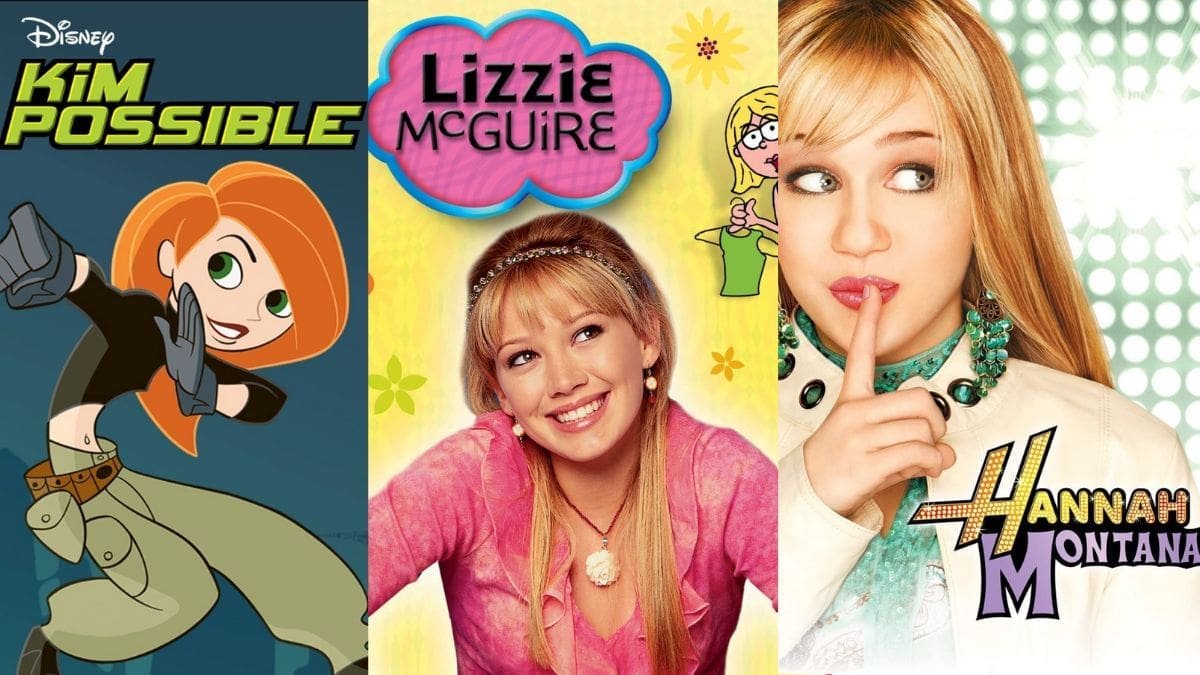
The turn of the millennium brought with it more than just Y2K fears and flip phones; it ushered in a "golden era" for Disney Channel, creating a legacy of shows that deftly blended humor, heart, and genuine teenage experiences. Exploring Themes and Lessons in 2000s Disney Shows isn't just a trip down memory lane; it's an examination of how these iconic series, through their relatable characters and universal struggles, helped shape a generation and continue to resonate today.
From navigating awkward crushes to confronting deeper social issues, these programs didn't just entertain; they educated, empathized, and empowered. They gave a voice to the inner turmoil of adolescence, making countless viewers feel seen and understood in a rapidly changing world.
At a Glance: What You'll Discover
- The Power of Relatability: How shows like Lizzie McGuire perfectly captured the awkward, introspective world of being a teenager.
- Celebrating Individuality: The vital lessons from That's So Raven and The Proud Family on embracing who you are and understanding others.
- Family First: The unwavering focus on sibling dynamics and parental bonds in series like Even Stevens and Wizards of Waverly Place.
- Balancing Worlds: The challenges of fame, identity, and extraordinary circumstances explored in Hannah Montana and Kim Possible.
- Creativity and Problem-Solving: The imaginative spirit that made Phineas and Ferb a groundbreaking animated success.
- Lasting Impact: How these shows influenced pop culture, launched careers, and continue to inspire reboots and new generations.
The Magic of Relatability: Why the 2000s Hit Different
The Disney shows of the 2000s weren't just background noise; they were cultural touchstones. They understood the intricate, often messy, landscape of growing up—the friendships, the crushes, the family drama, and the bewildering quest for self-identity. This era of programming carved out a unique space, offering a mirror to millions of young viewers who saw their own lives reflected, often with a comedic twist or a touch of the fantastic.
What made these series so impactful? It was their commitment to authentic storytelling, even when sprinkled with psychic visions or secret pop star personas. They acknowledged that being a kid or a teenager was tough, exhilarating, and frequently hilarious, giving voice to anxieties and triumphs that felt profoundly real.
Navigating Adolescence: Stories of Self-Discovery and Friendship
Many of the 2000s Disney shows grounded their narratives in the everyday struggles of adolescence, using relatable characters to explore universal themes of friendship, self-acceptance, and finding your place.
Lizzie McGuire: The Inner Monologue of Awkwardness
Few shows captured the quintessential awkwardness of teenage years quite like Lizzie McGuire. Starring Hilary Duff, the series was a masterclass in making the mundane magnificent, primarily through Lizzie's iconic animated alter ego. This inner voice wasn't just a gimmick; it was a brilliant narrative device that allowed viewers to experience Lizzie's unspoken thoughts, anxieties, and crushes in real time.
The show dove deep into the trials of middle school: from finding the perfect outfit to navigating the treacherous waters of popularity and dealing with annoying younger brothers. Its charm lay in its honesty about everyday struggles, from a bad hair day feeling like the end of the world to the euphoria of a first crush. It taught that it’s okay to be imperfect, to stumble, and that true friends, like Miranda and Gordo, are worth more than any social status. Lizzie's enduring catchphrase, "This is what dreams are made of," wasn't about grand ambitions, but often about small, personal victories and moments of genuine happiness.
That's So Raven: Embracing Individuality and Facing Challenges
Raven-Symoné's turn as the titular Raven Baxter in That's So Raven brought a new level of energy and heart to Disney Channel. Raven's psychic visions were the catalyst for endless comedic chaos, but beneath the slapstick lay a powerful message about individuality and consequence. Her visions often led her to try and alter the future, usually with disastrous and hilarious results, teaching viewers about accepting fate and facing the outcomes of their actions.
Beyond the laughter, the show tackled surprisingly serious topics with grace and insight. It addressed racial profiling, body image issues, and the importance of self-love, often through Raven's larger-than-life personality and her supportive circle of friends and family. That's So Raven championed the idea that being different is a strength, inspiring countless kids to embrace their unique quirks. Its continued relevance is evident in the 2017 reboot, Raven's Home, which further explores these themes with a new generation.
Even Stevens: Sibling Rivalry and Family Bonds
For anyone with a sibling, Even Stevens was a mirror. Christy Carlson Romano starred as Ren Stevens, the meticulous, overachieving older sister, perfectly contrasted by Shia LaBeouf's Louis, the chaotic, prank-loving younger brother. Their constant rivalry and antics were the heart of the show, but beneath the squabbles was an undeniable bond.
The series excelled at showcasing realistic family dynamics: the frustration, the love, the competition, and ultimately, the unwavering support. Ren's intelligence and ambition were celebrated, while Louis's free spirit and comedic timing provided endless entertainment. It underscored that family, with all its imperfections, is a foundation, and even the most disparate personalities can find common ground and love.
The Suite Life of Zack and Cody: Family, Mischief, and Growing Up Together
The Sprouse twins, Cole and Dylan, captivated audiences as Zack and Cody Martin, two brothers living in the luxurious Tipton Hotel. Their misadventures, often involving exasperated hotel manager Mr. Moseby and heiress London Tipton (Brenda Song), were a constant source of laughter. But beyond the hijinks, the show beautifully emphasized the importance of family and friendship.
Living in a hotel presented unique challenges and opportunities, forcing the twins to adapt and rely on each other. The series subtly explored themes of responsibility, resourcefulness, and navigating different social classes, all while delivering wholesome, comedic fun. It taught that even in the most unusual circumstances, the bonds you share with your loved ones are what truly matter.
Beyond the Everyday: Fantasy, Fame, and Future Worlds
Some 2000s Disney shows took a step beyond the purely realistic, incorporating elements of fantasy, secret lives, and even time travel to explore more complex themes of identity, responsibility, and what it means to be extraordinary.
Hannah Montana: The Double Life Dilemma
Miley Cyrus became a household name as Miley Stewart, a seemingly ordinary teenager who led a secret life as international pop sensation Hannah Montana. This double-life premise wasn't just a clever plot device; it was a profound exploration of identity, fame, and the desire for normalcy. Miley constantly struggled to balance her two worlds, yearning for a regular teenage experience while managing the demands of superstardom.
The show highlighted the sacrifices that come with fame, the importance of staying true to yourself, and the vital role of family and close friends in keeping you grounded. It taught that while fame might be glittering, true happiness often lies in genuine connections and the freedom to be your authentic self, a lesson beautifully articulated in The Hannah Montana Movie.
Wizards of Waverly Place: Magic, Family, and Choices
Selena Gomez shone as Alex Russo, one of three wizard siblings (alongside Justin and Max) vying to become the family wizard. Wizards of Waverly Place expertly blended humor and magic, but at its core, it was a story about family dynamics, power, and responsibility. The magical competition served as a metaphor for sibling rivalry and the pressures of growing up with extraordinary abilities.
Each episode offered a magical dilemma that usually taught a moral lesson, often about humility, the consequences of misusing power, or the importance of teamwork. The show consistently reinforced the idea that love and family bonds ultimately triumph over challenges, even magical ones. The upcoming 2024 reboot, Wizards Beyond Waverly Place, promises to continue this beloved legacy.
Phil of the Future: Adapting to Change and Finding Connection
Imagine being a teenager from the 22nd century, suddenly stranded in the 2000s. That was the premise of Phil of the Future, starring Raviv Ullman as Phil Diffy. This fish-out-of-water comedy explored themes of adaptation, technology's impact, and the timeless nature of human connection.
Phil and his family had to blend in, often using futuristic gadgets in hilariously anachronistic ways. The show subtly contrasted the advanced future with the "primitive" present, prompting questions about progress and values. Central to its appeal was the developing friendship-turned-romance between Phil and his 2000s best friend, Keely (Alyson Michalka), proving that genuine connection transcends time.
Kim Possible: Brains, Brawn, and Breaking Stereotypes
Who says a cheerleader can't also be an international super spy? Kim Possible, voiced by Christy Carlson Romano, redefined the action hero, proving that girls could be strong, smart, and fashionable all at once. Balancing high school, cheerleading, and fighting supervillains with her loyal best friend Ron Stoppable (Will Friedle), Kim was a role model for empowerment.
The show celebrated intelligence, resourcefulness, and unwavering friendship. Kim wasn't just physically capable; she was quick-witted and strategic. It taught that teamwork makes the dream work and that you don't have to choose between being popular and making a difference. Its popularity led to two animated films and a live-action adaptation, solidifying its place as an iconic series.
Animated Adventures: Innovation and Deeper Meanings
While live-action shows dominated much of the 2000s Disney lineup, animated series like Phineas and Ferb and The Proud Family brought their own unique blend of creativity, humor, and social commentary.
Phineas and Ferb: Creativity, Problem-Solving, and Endless Summer
"Hey Ferb, I know what we're gonna do today!" With that simple line, stepbrothers Phineas (Vincent Martella) and Ferb (Thomas Brodie-Sangster, David Errigo Jr.) launched into incredibly inventive summer projects, from building rollercoasters to time machines. Phineas and Ferb was a masterclass in creativity, problem-solving, and optimistic can-do spirit.
The show's witty humor, catchy songs, and consistent running gags (like their pet platypus Perry's secret life as a spy against Dr. Heinz Doofenshmirtz) made it a multi-generational favorite. It taught the boundless power of imagination, the importance of teamwork, and that every day holds potential for an amazing adventure. Its enduring appeal is highlighted by its recent renewal for fifth and sixth seasons after a decade off-air.
The Proud Family: Culture, Community, and Social Awareness
The Proud Family, featuring Kyla Pratt as Penny Proud, was a groundbreaking animated series that offered vital representation for Black kids and teens. More than just a comedy about teenage life, it was a profound exploration of diversity, culture, and community. The show wasn't afraid to tackle deeper topics that resonated with its audience.
It discussed racism, segregation, and even celebrated Kwanzaa, providing a platform for important conversations within families. The series championed self-respect, cultural pride, and the strength of family bonds, all while delivering sharp humor and memorable characters. Its popularity and continued relevance led to the 2022 reboot, The Proud Family: Louder and Prouder, which bravely continues to explore contemporary social issues, proving the timelessness of its message.
Enduring Impact: How These Shows Shaped a Generation
The 2000s were truly a "golden era" for Disney Channel, a time when creativity, relatability, and a willingness to explore complex themes converged to create television that transcended simple entertainment. These series didn't just capture moments; they captured the essence of growing up, providing a blueprint for future teen and family programming.
The legacy of Disney shows from the 2000s continues to influence pop culture, evidenced by the numerous reboots and the sustained fanbases decades later. They instilled values, sparked conversations, and, most importantly, made millions of viewers feel a little less alone in their journey through adolescence.
Beyond the Screen: The Stars Who Grew Up With Us
Beyond the shows themselves, the 2000s Disney era was a launching pad for a remarkable generation of talent. Many of the actors we watched grow up on screen went on to achieve significant success in music, film, and television, further cementing the cultural impact of these shows.
Hilary Duff seamlessly transitioned from Lizzie McGuire to a successful music career and continued acting, notably in Younger. Miley Cyrus, post-Hannah Montana, became a global pop sensation and an accomplished actress, constantly reinventing herself. Selena Gomez, after Wizards of Waverly Place, built an impressive music career and earned critical acclaim for her role in Only Murders in the Building, showcasing her versatility and growth beyond her Disney roots. Demi Lovato became a pop superstar and a powerful advocate for mental health, using their platform to inspire change. Cole and Dylan Sprouse continued their entertainment careers, with Cole earning widespread recognition in Riverdale.
These actors' journeys mirror the themes of self-discovery and evolving identity that their Disney shows explored, demonstrating how the lessons learned on screen often reflect and influence real life.
Your Next Rewatch: Rediscovering the Magic
Whether you're looking to revisit cherished childhood memories or introduce a new generation to the shows that defined yours, the themes and lessons in 2000s Disney shows remain as relevant and engaging as ever. They offer a comforting blend of nostalgia and timeless wisdom, reminding us that the awkwardness of adolescence, the strength of family, the power of friendship, and the courage to be yourself are universal truths that never go out of style.
So, queue up an episode of The Proud Family, sing along to a Hannah Montana hit, or reminisce about Lizzie McGuire's fashion choices. You might just find that these stories, decades later, still have a lot to teach us about growing up, facing challenges, and finding joy in the everyday magic of life.